Uncensored LLMs: How Enterprises Can Use Them Legitimately and Deploy Them Responsibly
On this page

An uncensored LLM is an open-weight AI model with its safety refusals reduced or removed, so it answers more of your requests.
- You can use it for work like red-teaming, malware analysis, and testing your own safety controls, with fewer interruptions along the way.
- Used without any of these controls, it can also be misused, so the risk comes from how it’s deployed, not the model itself.
- Before you deploy one, write down a clear use case, limit access to the people who need it, keep logs, and have a person review important answers.
- With Prem’s Enclave API, your requests run inside a hardware-isolated environment, and you get cryptographic proof (attestation) that you can review yourself.
- With Prem Cyberscan, you can check your own codebase for security issues on an ongoing basis.
Let me take you back to June 2023.
Someone calling themselves “Last” posted a new tool on a hacking forum. It did exactly one thing: it answered any request. No refusals. No warnings.
They called it WormGPT. It was built on an open-source model and marketed as a ChatGPT alternative that “lets you do all sorts of illegal stuff.” It quickly became a go-to tool for generating phishing emails and malware.
Then, on August 8, 2023, Krebs on Security publicly identified the creator as a 23-year-old Portuguese programmer. The tool shut down within hours of the story going live. You might think that was the end of it. It wasn’t.
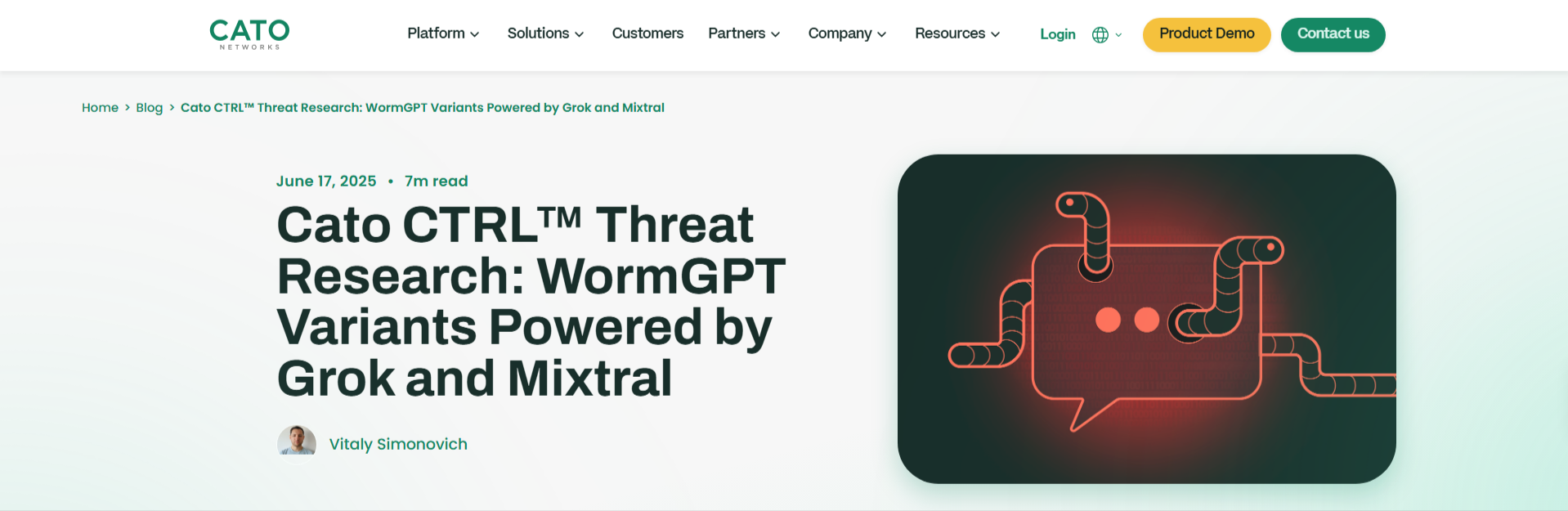
Fast forward to February 2025. Cato Networks discovered new WormGPT-branded tools circulating on underground forums. This time, they were jailbroken wrappers around mainstream models like Grok and Mixtral.
Here’s the uncomfortable part of this story. The tools changed between 2023 and 2025, but the idea stayed the same: an LLM that never says no.
So where does that leave enterprises exploring the same idea? In a very different place. WormGPT was pitched for illegal use and answered everything. An enterprise starts with a defined use case, restricts who can access the model, and keeps audit trails of how it’s used.
The underlying idea is the same, but the setup is completely different. To see why, let’s start with the basics and have a look at what uncensored LLMs are.
What are Uncensored LLMs?
When you choose an AI model for your business, you want it to answer your team’s questions and fit into your workflows. You also need to understand how it responds when a request triggers its safety rules.
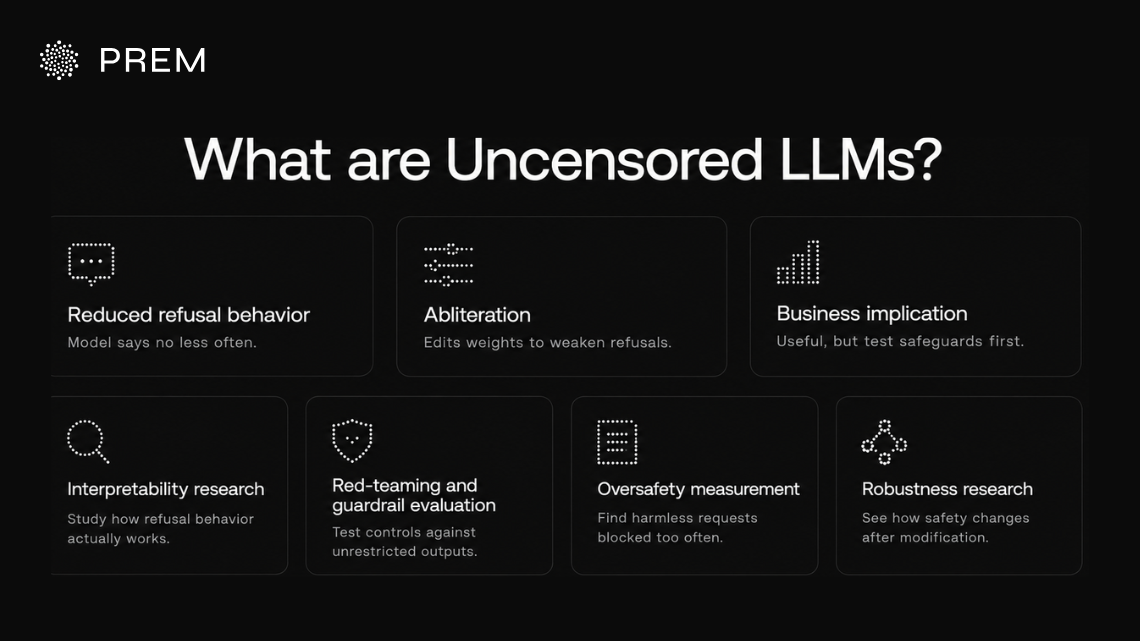
An uncensored LLM is an open-weight model whose refusal behavior has been deliberately reduced or removed. Refusal behavior determines when a model declines a request.
One technique used to modify this behavior is called abliteration. It changes the model’s weights to reduce refusals without requiring full retraining.
How refusal behavior is removed
Is there research behind this? Yes. A 2024 NeurIPS paper by Andy Arditi and his co-authors studied 13 open chat models and found that a particular direction in their internal representations played a major role in refusal behavior. Modifying this direction reduced refusals. Restoring it brought refusals back, including for some harmless requests.
The findings help explain how refusal behavior can be changed at the model level. The exact effects depend on the model and the modification technique. A model that refuses fewer requests may also comply with harmful ones, so you need to test its behavior before deployment.
Why some models ship without safety fine-tuning
Uncensored models can support research into model behavior and help teams evaluate their own AI safeguards. Common applications include:
Creating these variants has also become easier. Some techniques can modify open-weight models without full retraining, although the resources required depend on the model, method, and available hardware.
If you're considering an uncensored LLM for your business, test how it behaves with your intended workloads and establish the safeguards you need before deployment.
Who Else Can See Your Malware Samples?
Enclave API runs your uncensored LLM inside sealed hardware that keeps even host operators out.
Try Enclave APIWhy enterprises use uncensored LLMs
When your team uses AI for specialized work, repeated refusals can slow things down. A model may decline to analyze code that looks potentially malicious or block a research query because the topic seems sensitive, even when the task is authorized.
This can become a bigger problem in automated workflows. One refusal can interrupt the next step and leave the rest of the process waiting for manual intervention.
An uncensored LLM can give your team more flexibility in these situations. The value depends on the work you need it to handle and how well you manage the risks.
Fewer refusals do not guarantee more accurate answers or safer outcomes. Test the model against your actual workflows, restrict access to approved users, and apply safeguards that fit the work.
The risks of deploying uncensored LLMs without controls
When you reduce a model’s refusal behavior, it may respond to requests that could lead to harmful outcomes. For your business, this creates risks around security, compliance, and the reliability of AI-generated answers.
How significant are these risks? Research gives us some numbers.
Higher compliance with unsafe requests and risk of misuse
According to a 2025 study published by MDPI, modified open-weight models complied with 80% of unsafe requests on average, compared with around 19% for unmodified baseline models. The researchers tested 20 modified models. For harmful instructions involving areas such as fraud and phishing, compliance rose from near 0% to more than 75% after refusal behavior was removed.
The risk extends beyond individual model responses. According to a 2025 research paper on arXiv by Lin and colleagues, researchers identified more than 11,000 uncensored models on Hugging Face. Some had received millions of downloads, and the researchers documented their integration into malicious applications.
For your team, these findings highlight why you should test model behavior before deployment. Review the model’s origin and modification history, and establish access controls that determine who can use it and which actions they can perform.
Model origin and supply chain risks
The uncensored-model ecosystem also raises questions about where models come from and who modifies them.
According to the MDPI study, researchers identified 8,608 uncensored-model repositories across 1,303 Hugging Face accounts. The top 20 accounts accounted for 85.8% of downloads, while one account held 18.5% of the identified repositories.
When you source a model, you rely on the integrity of its files and the people who modified it. Check the original model, verify downloaded files, and assess the security practices behind any modifications.
Hallucinations and unreliable outputs
An uncensored model can still produce incorrect information. When it answers despite lacking sufficient information, its response may sound confident even when the underlying claim is wrong.
This matters when your team uses AI for legal research, medical analysis, or security investigations. Validate important claims against trusted sources and require human review for high-impact decisions. A model's willingness to answer does not establish that its answer is accurate.
Legal and regulatory exposure
Running a model privately does not remove your organization’s legal and regulatory responsibilities. Your obligations depend on how you use the model, the data it processes, and the rules that apply to your industry.
For organizations operating in Europe, the EU AI Act sets requirements for AI systems within its scope, including additional obligations for certain high-risk uses. The National Institute of Standards and Technology (NIST) offers a voluntary framework for organizations assessing and managing AI risk in the US.
Your industry may also have specific requirements. Healthcare teams handling patient data need to consider GDPR and applicable national health-data rules, while financial organizations in the EU may have relevant obligations under DORA. The exact requirements depend on your activities and circumstances.
For your business, the priority is to identify risky outputs before they affect customers or decisions. Access controls, output filtering, monitoring, and human review can help you manage that exposure.
Your Code’s First Checkup Comes With $25 Free
Prem CyberScan spots vulnerabilities in your codebase so your team can fix issues early.
Sign in with GitHubHow to use uncensored LLMs legitimately within a governance framework
When you deploy an uncensored model, your organization owns more of the risk. You decide how it behaves, and you decide who gets to use it. So set the rules for access, oversight, and acceptable use before the model goes into production.
Sounds like a lot? For teams with mature AI operations, this responsibility can be manageable. Start with these safeguards.
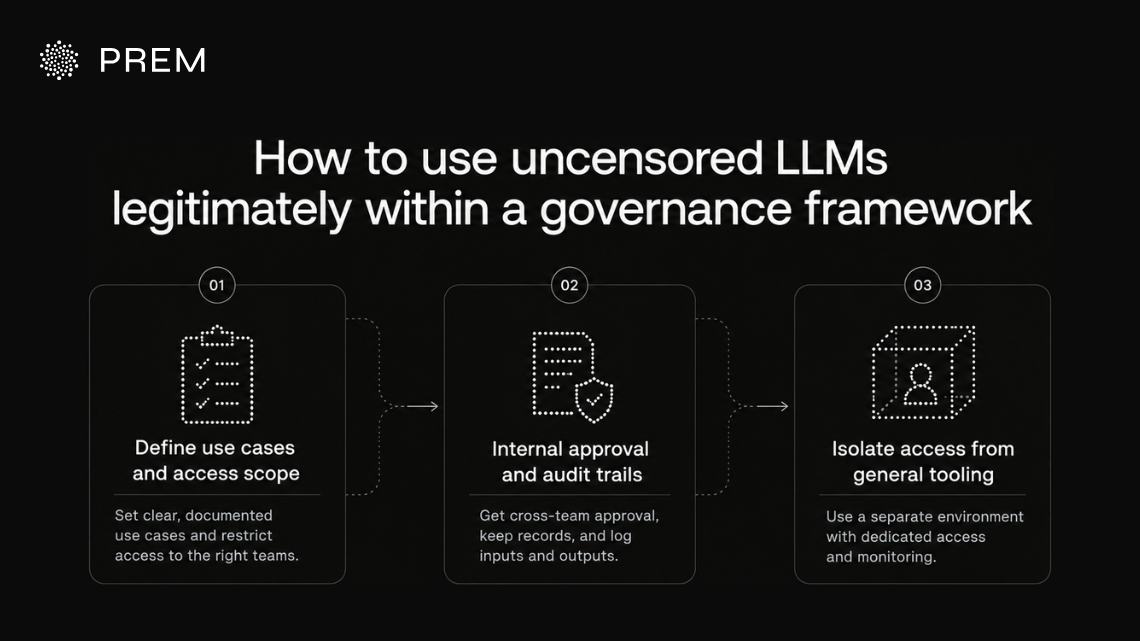
Define legitimate use cases and access scope
Start with one question: what exactly will the model be used for?
“Security research” is too broad, and it leaves too much room for interpretation. Try something specific, like analyzing malware samples flagged by your SOC team for internal threat intelligence reports. Now your team has clear boundaries.
Set these rules before deployment:
- Specify the tasks the model can perform and the intended outcomes.
- Limit use to employees whose roles require the model.
- Define what users can do with the model based on their responsibilities and the approved use case.
Establish internal approval and audit trails
Every deployment should have a clear approval process and records that help your organization understand how the model is being used.
- Have the use case reviewed by the person or team responsible for AI risk, involving security, legal, and compliance stakeholders where necessary.
- Document who approved the deployment, its intended purpose, and any conditions attached to the approval.
- Record inputs, outputs, user identities, and timestamps, subject to your organization's privacy and data retention requirements.
- Ensure your team can investigate incidents and explain model usage to auditors, regulators, or business leadership.
Isolate access from general employee tooling
Keep your uncensored model separate from the chatbots and coding assistants your employees use for everyday work. Give it its own controlled environment with dedicated access permissions.
Here’s how to do it:
- Host the model in an environment designed for its approved use cases.
- Limit access to authorized users and approved workflows.
- Track usage to identify requests that fall outside the intended scope.
- Make it easier for your security team to trace activity and identify the systems and users involved if an incident occurs.
Best practices for responsible use and deployment
Governance defines who can use your model and for what purpose. Deployment practices come next. They protect your data, control model activity, and help your team manage risky outputs.
Isolate the model infrastructure
Run your uncensored model in a separate environment with dedicated access controls and network boundaries. This matters most when you process sensitive information, such as unreleased code, confidential threat intelligence, or regulated data.
Your deployment should include:
- Keep the model separate from general-purpose AI tools and restrict network access.
- Consider confidential computing when sensitive inputs need hardware-based protection during inference.
- Allow only authorized users and approved workflows to interact with the model.
Log and monitor model activity
Your team needs a reliable record of how the model is used. This helps you investigate incidents, review activity, and demonstrate accountability.
- Record requests, responses, user identities, and timestamps, subject to your privacy and data retention requirements.
- Look for unusual activity or attempts to use the model outside its approved scope.
- Make logs available to authorized teams for audits, internal reviews, and incident investigations.
Require human review for high-stakes outputs
Require human review before model outputs influence important decisions or trigger consequential actions.
- Have qualified people verify AI-generated findings before acting on them.
- Let trained security analysts assess model-generated findings before using them in an investigation.
- Add approval steps before outputs reach customers or trigger high-impact actions in downstream systems.
Apply rate limits and output filtering
Output filtering helps detect responses that violate your defined rules, and frameworks exist that let you validate model outputs before they reach users or downstream systems. Pair filtering with rate limits to reduce the impact of unsafe outputs and unauthorized access.
- Define which responses need to be blocked, flagged, or reviewed.
- Reduce the potential impact of compromised credentials or misconfigured workflows.
- Evaluate filters and access controls regularly to identify gaps and improve protection.
What Happens in the Enclave Stays in the Enclave
Enclave API protects your inputs during inference, even from the host system running your model.
Try Enclave APIChecklist: Questions to ask before deploying an uncensored model
Before moving an uncensored model beyond evaluation, review these four areas with your AI risk team.
| Area | Questions to ask |
|---|---|
| Use case justification |
|
| Data handling |
|
| Model provenance |
|
| Audit capability |
|
Answering these questions before deployment helps your team document its decision, identify gaps, and explain the safeguards in place when leadership, auditors, or regulators ask for evidence.
Where Prem AI fits into your Uncensored LLM strategy
Prem AI is a Swiss AI infrastructure company building private and verifiable AI for enterprises. For organizations working with sensitive data, Prem provides infrastructure designed to strengthen data protection and make the environment processing AI requests more verifiable.
Enclave API: Private and verifiable AI inference
Prem’s Enclave API runs inference inside a hardware-isolated Trusted Execution Environment (TEE). This helps protect your data while the model processes it, including from access by the host system and its operators.
This can be useful when your team needs to analyze confidential threat intelligence, work with proprietary code, or process sensitive information using AI.
What Enclave API offers
Hardware-isolated processing
Helps protect inputs while inference takes place inside a TEE.
Cryptographic attestation
Provides hardware-signed evidence about the environment processing your request, giving your team a way to inspect its security properties.
Infrastructure-level protection
Applies protection at the processing environment level, independently of the supported model performing the analysis.
Putting these capabilities into practice
For a well-governed deployment, your team can combine Enclave API's infrastructure protections with a few additional practices:
- Review its origin, modifications, and behavior before deployment.
- Define approved use cases and restrict access to authorized users.
- Validate high-stakes results before using them to make decisions or trigger downstream actions.
Attestation is an important part of verification, and its scope matters. Reference measurements are not pinned by default, so a successful attestation check alone does not establish that an approved software release processed your request. Your verification process should account for this when assessing the environment.
Keep Your Threat Intel Private
Enclave API processes your most sensitive security work inside a sealed hardware environment.
Try Enclave APIPrem Cyberscan: Continuous vulnerability detection
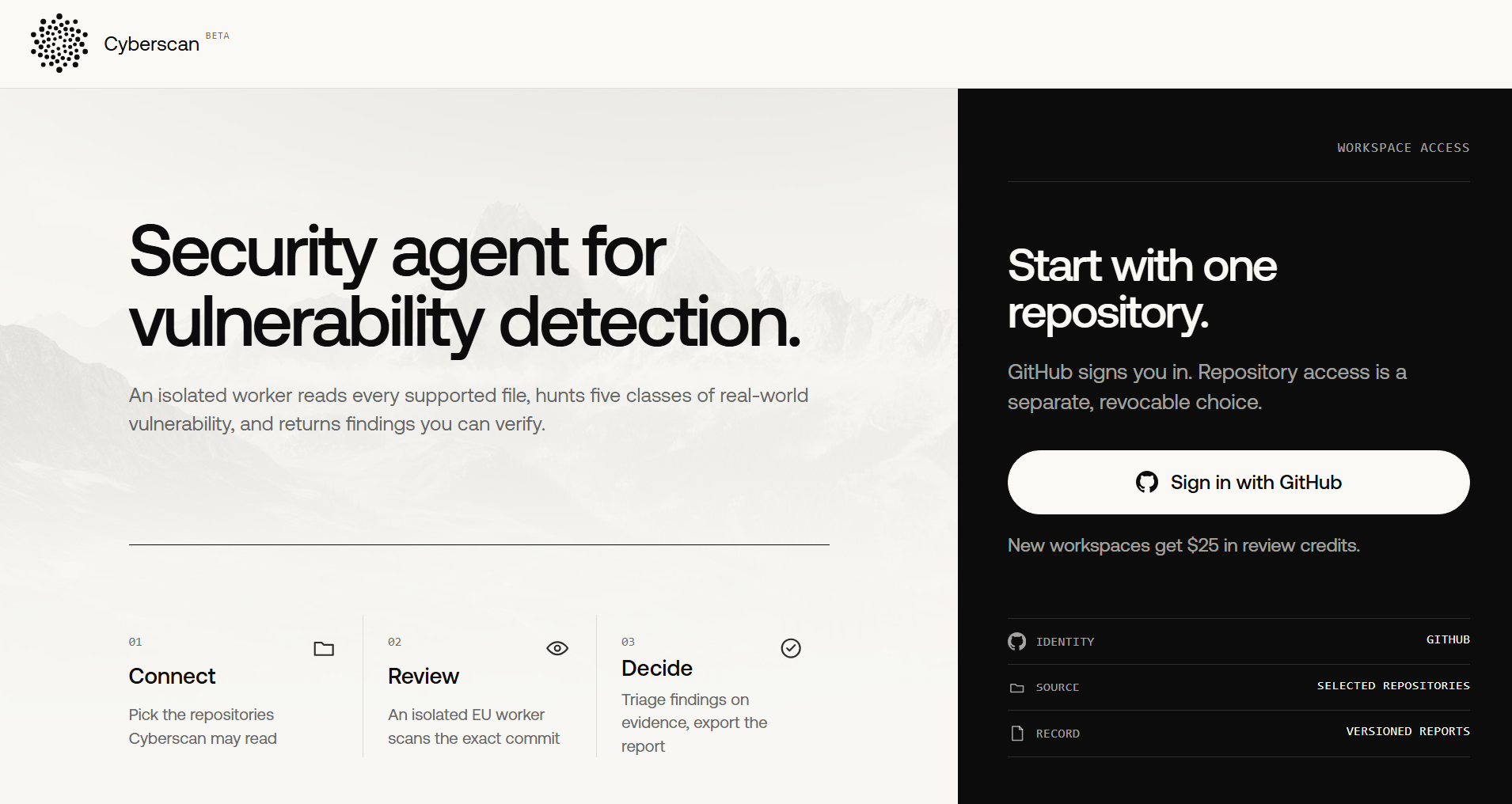
For teams focused on application security, Prem Cyberscan offers a separate capability: continuous vulnerability detection.
It is relevant when your team wants to identify potential security issues in its own codebase. This makes Cyberscan a useful consideration for security research workflows, alongside the broader infrastructure protections available through Enclave API.
For enterprises evaluating uncensored LLMs, the infrastructure processing your data is an important part of the decision. Enclave API helps protect sensitive inputs during inference, while Prem Cyberscan supports vulnerability detection in your codebase. Both can play a role in your security strategy, alongside clear usage policies, access controls, and human review.
Free Credits for Bug Hunting? Yes, Really.
New workspaces get $25 in review credits to scan their code with Prem CyberScan.
Sign in with GitHubDeploying uncensored LLMs safely? Trust Prem AI’s verifiable infrastructure
So, are uncensored LLMs good or bad?
Neither, really. The risk sits in how you deploy them.
Legitimate use is real, and it comes down to governance. Get three things right: a documented use case, restricted access, and infrastructure that protects what’s being processed.
Evaluating an uncensored model for your team? Begin with the checklist in this guide.
Working with sensitive data? Then Enclave API gives you a hardware-isolated environment, plus attestation evidence you can review yourself. And Prem Cyberscan supports related security-research workflows.
Ready to talk it through? Contact our team or drop us a line at sales@premai.io.
FAQs about uncensored LLMs
What is an uncensored LLM?
An uncensored LLM is an open-weight model whose refusal behavior, the part that makes it decline a request, has been deliberately removed. It doesn’t know more or reason better than the original model. It just no longer says no.
Is it legal to use an uncensored LLM?
Running an open-weight model, modified or not, is legal in most jurisdictions. What you do with the outputs, and what data you feed it, is where legal exposure actually comes from. Laws vary by jurisdiction and by use case.
How is an uncensored model different from jailbreaking a normal model?
Jailbreaking uses clever prompts to trick an aligned model into ignoring its safety training, something providers can patch. An uncensored model has had refusal removed permanently at the weight level, through techniques like abliteration. No prompt trick is involved, and there’s no patch to undo it.
Does removing refusal make a model more capable?
No. It’s the same weights with one behavior taken out. The model doesn’t gain new knowledge or better reasoning, it just stops declining requests it would have previously refused.
Are uncensored models actually riskier in practice, or is that overstated?
It’s measured, not theoretical. One peer-reviewed study found modified models complied with unsafe prompts 80% of the time on average, compared to 19.2% for unmodified models, using direct requests with no jailbreak tricks involved.
What are legitimate reasons a business would use an uncensored model?
Security research and red-teaming are the clearest examples; teams need a model that will actually engage with malware samples or exploit code instead of refusing. Testing your own safety guardrails against an unrestricted model is another common, legitimate use.
Can I tell if a model has been modified just by its name?
Not reliably. “Uncensored” or “abliterated” in a model’s name is a signal, but confirming it usually means checking the model card, and ideally testing its behavior yourself rather than trusting the label.
What’s the single most important control before deploying one?
A documented, narrow use case with sign-off from whoever owns AI risk at your organization. Logging, isolation, and human review all exist to support that one decision, without it, you’re not managing risk, you’re hoping nothing goes wrong.
Can confidential computing help when deploying an uncensored model?
It protects the data while the model processes it. Prem AI’s Enclave API runs inference inside a hardware-isolated environment, with attestation evidence you can review. It doesn’t decide who accesses the model or whether outputs get reviewed; that still depends on your governance framework.
Who should be allowed to access an uncensored model inside an organization?
Access should be narrower than your standard AI tools, not the same list of people by default. Scope it to the specific team and use case it was approved for, and keep it on infrastructure separate from general employee tools.
See how Prem AI can help your enterprise build private AI without compromising control over your data and infrastructure. Contact our sales team, or email us at sales@premai.io.